Mark Fuller
  • Home
  • Land, Sea & Air
  • Life
  • Landscapes
  • Sport
    • May 8th 1999
  • Faces
  • Weddings

Land, Sea & Air

Picture
That reddish star at Orion's left shoulder is Betelgeuse—and you're watching a dying giant that could explode at any moment.
Betelgeuse is a red supergiant located roughly 650 light-years away in the constellation Orion. It's one of the largest stars known to astronomy. If you placed Betelgeuse where our Sun is, its outer atmosphere would extend past the orbit of Mars, possibly reaching Jupiter. The star is so large that its surface would engulf Mercury, Venus, Earth, and Mars entirely. And yet, despite its immense size, Betelgeuse is dying.

Stars like Betelgeuse don't age like our Sun. Our Sun is a stable middle-aged star that will burn hydrogen in its core for another five billion years before swelling into a red giant and eventually shedding its outer layers to become a white dwarf. Betelgeuse has already passed through those stages. It was born as a massive blue star roughly 10 million years ago—young by cosmic standards, but massive stars burn fast and die young. Betelgeuse exhausted its core hydrogen millions of years ago and has been fusing heavier elements ever since: helium into carbon, carbon into oxygen, oxygen into neon, neon into magnesium, and now silicon into iron.

Iron is the endpoint. When a star's core fills with iron, fusion stops. Iron fusion doesn't release energy—it consumes energy. Once the core becomes iron, there's no outward pressure to counteract gravity. The core collapses in less than a second, rebounds in a catastrophic shockwave, and the star explodes as a supernova. For Betelgeuse, that moment could come tomorrow, or it could come a hundred thousand years from now. Astronomically speaking, both timescales are essentially "now."

When Betelgeuse explodes, it will be spectacular. The supernova will briefly outshine the entire galaxy, releasing in a few weeks more energy than our Sun will produce in its entire 10-billion-year lifetime. From Earth, 650 light-years away, Betelgeuse will become as bright as the full Moon, visible in broad daylight for weeks or even months. It will cast shadows at night. It will dominate the sky, brighter than Venus, brighter than Jupiter, a brilliant point of light that appears suddenly where Orion's shoulder used to be.

But you won't have advance warning. Supernovae don't announce themselves. The core collapse happens deep inside the star, and the light from that collapse takes hours to propagate outward through the star's massive envelope. By the time the shockwave breaks through the surface and the star begins to brighten, the explosion is already underway. The light you'll see—the sudden brightening—will have left Betelgeuse 650 years ago, during the late 1300s on Earth, around the time of the Black Plague. The explosion could have already happened, and the light is still traveling toward us. Or it could happen tomorrow. Or in 100,000 years. Astronomers can't predict it with precision, because the final stages of massive star evolution are chaotic and not fully understood.

When Betelgeuse does explode, it will leave behind either a neutron star or a black hole, depending on the exact mass of its core at the moment of collapse. Either way, the supernova will enrich the surrounding interstellar medium with heavy elements—carbon, oxygen, silicon, iron, and everything in between—seeding future generations of stars and planets. The iron in your blood, the calcium in your bones, the oxygen you breathe—all of it was forged inside stars like Betelgeuse and scattered across space in supernova explosions billions of years ago.

Every photon of light reaching your eye from Betelgeuse left that star around the year 1375, during the Ming Dynasty in China, before the printing press, before the Renaissance, before Columbus. You're seeing the star not as it is now, but as it was 650 years ago. And if it exploded last week, or last year, or 500 years ago, you wouldn't know yet. The light is still on its way.

Look up tonight. Find Orion. Locate the red star at his shoulder. And know that you're watching a star in its final act—a giant that will one day erupt, flood the sky with light, and leave behind a remnant that will endure for millions of years. You're watching a countdown that's already begun, and the only question is when the light will arrive?


Picture

Aurora from Cumbria 11-05-24 looking straight up

Picture

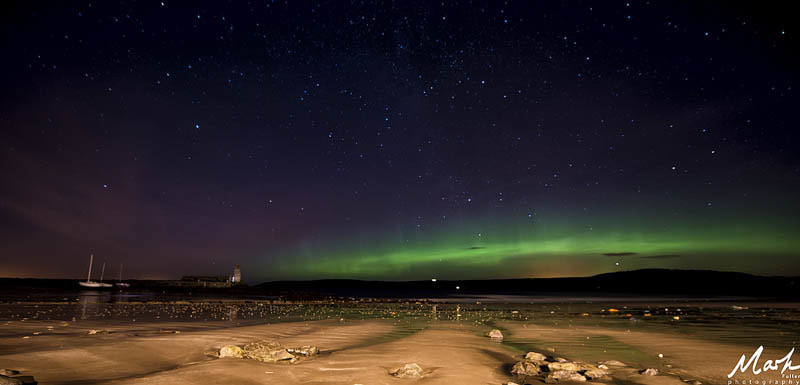
Looking West from Salcom Bay towards SW Scotland 11-05-24

Picture
Picture

Looking East over Whitehaven towards Ennerdale fells

Picture

HMCG WHV CRT callout 10-05-24

Picture

Looking straight up 11-05-24

Picture
Picture

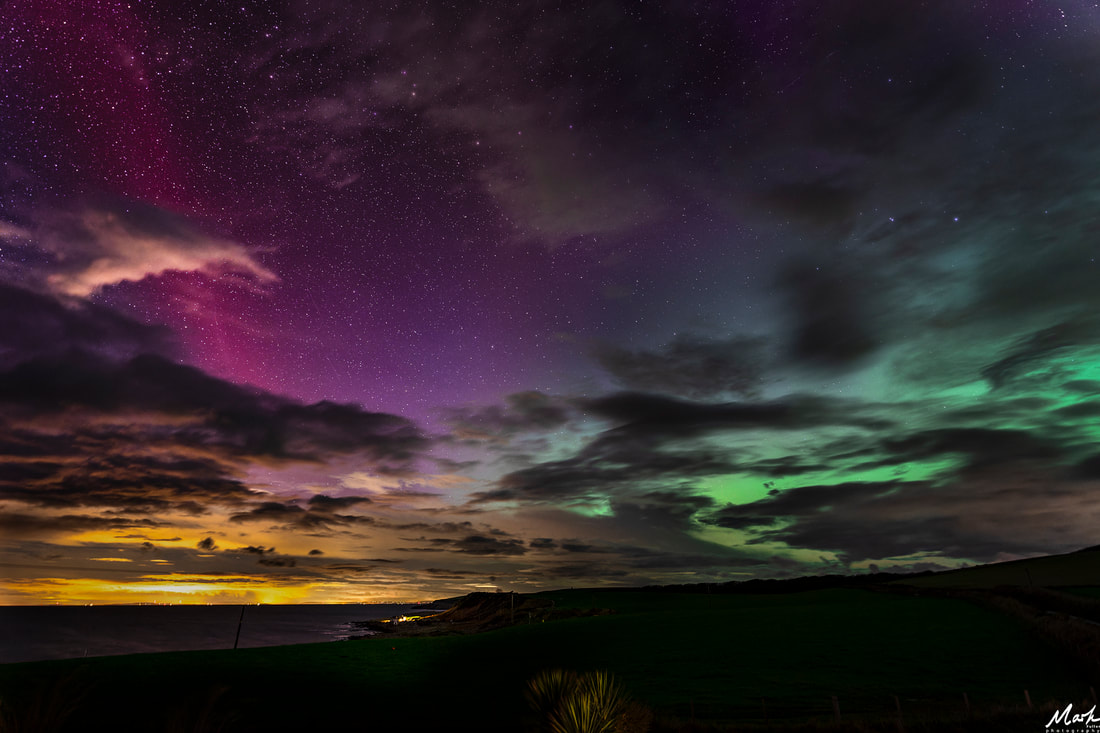
Aurora looking across  the Irish Sea to Belfast from SW Scotland
Picture

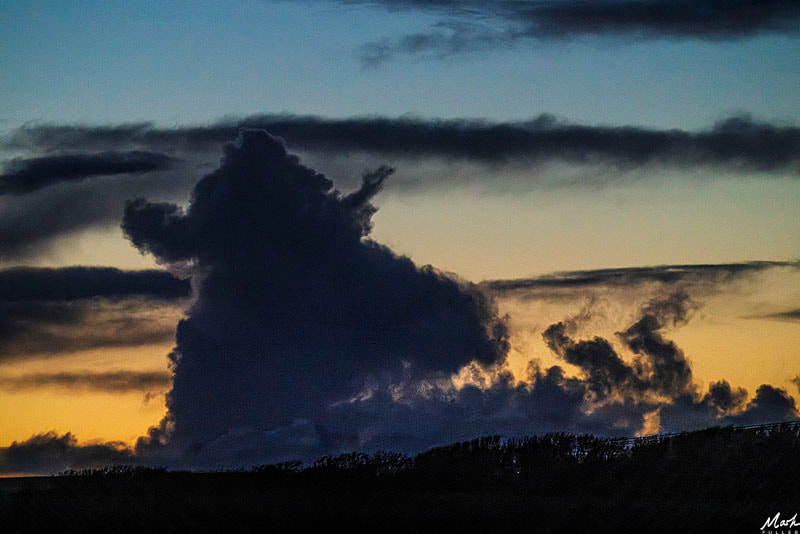
A cloud cow

Picture
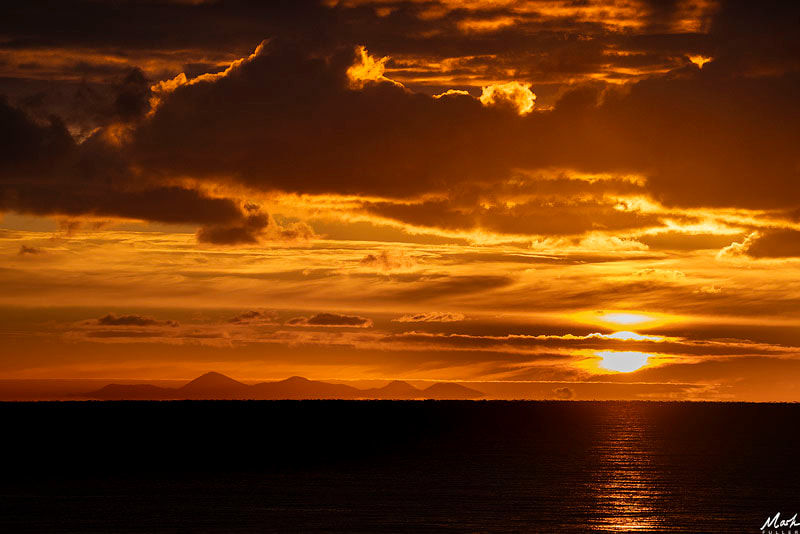
Who do you think is wearing the hat?
Picture
Picture
Picture
Picture
Picture
Picture
Picture
Picture
Picture
Picture
Picture
Picture
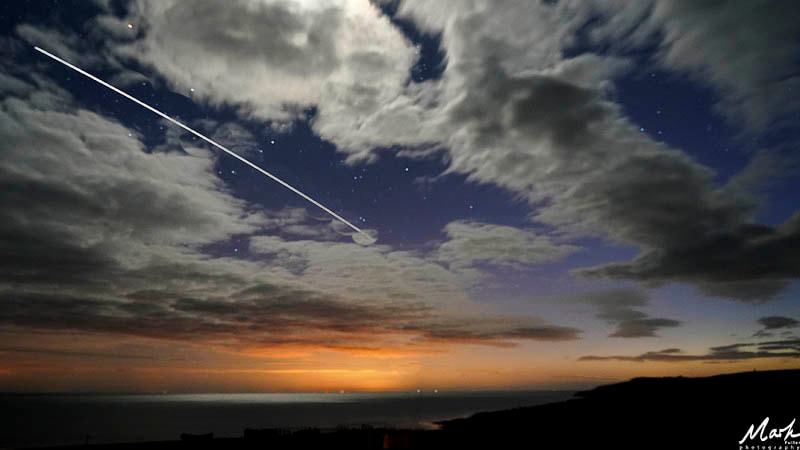
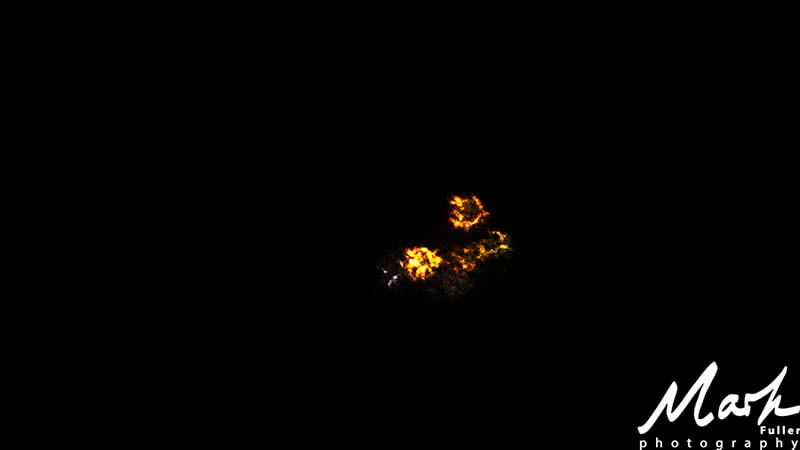
International Space Station flying past at 17,000 mph and 250 miles up.
Picture

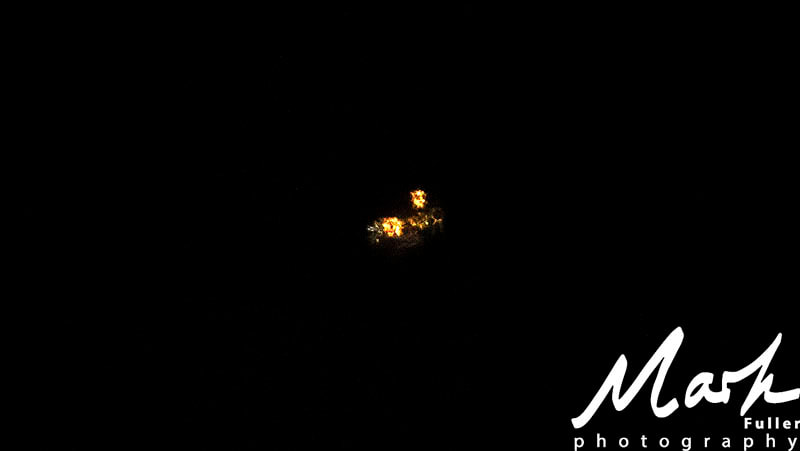
The gold solar arrays are clearly visible along with the white ISS interior lights.
Picture

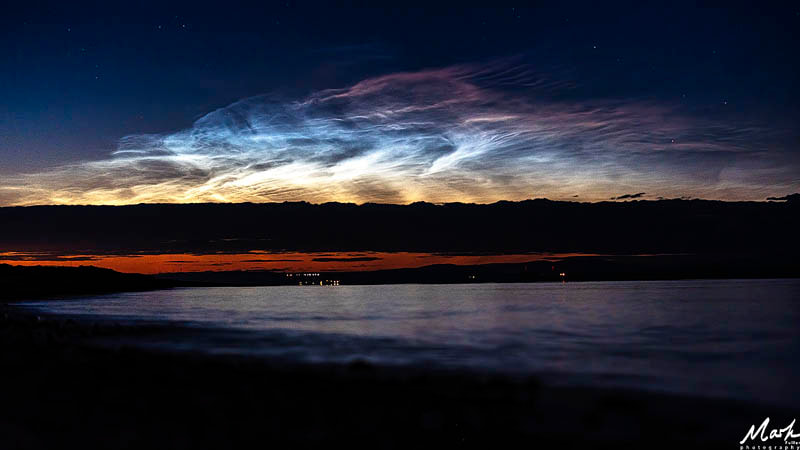
Noctilucent clouds over Luce Bay at 1am.
Picture

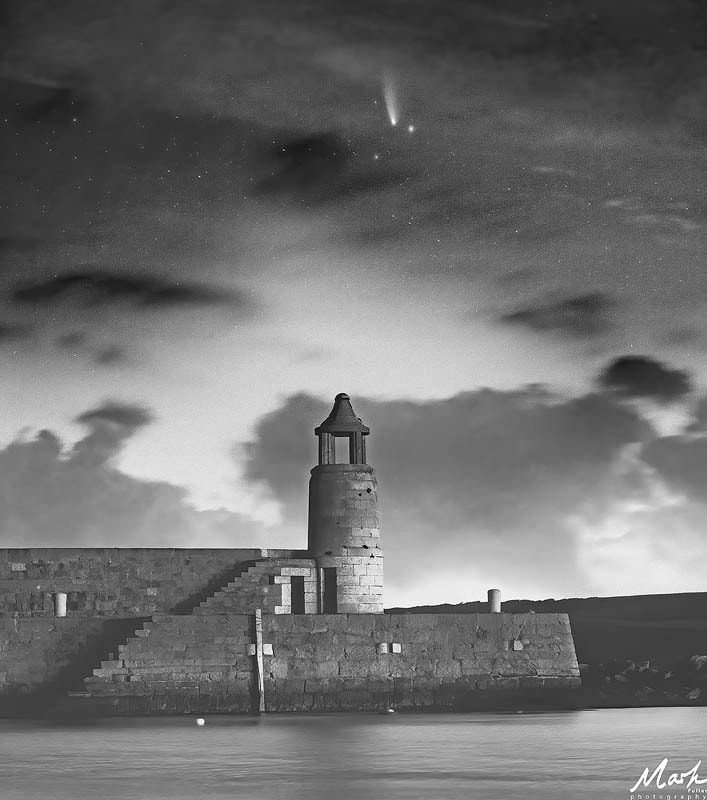
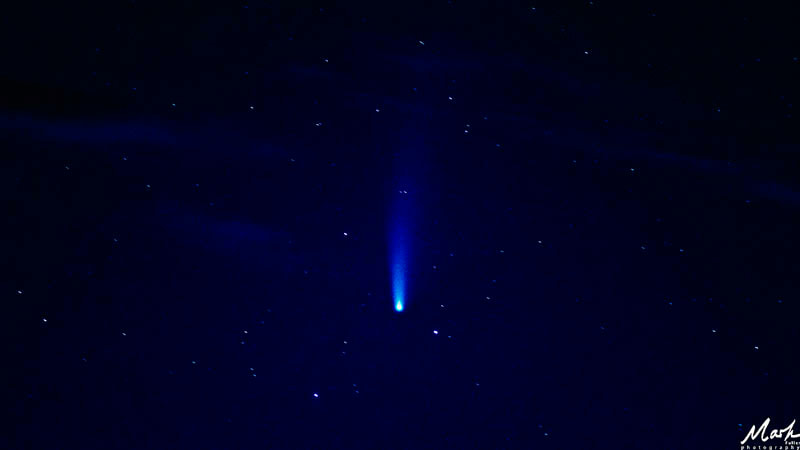
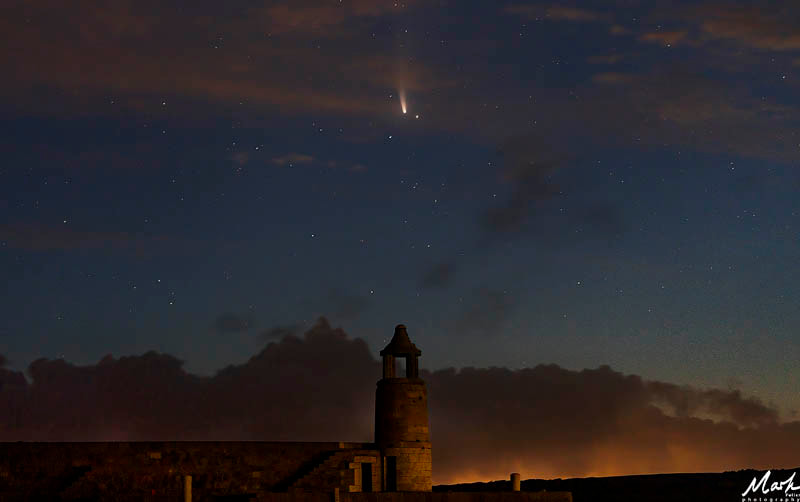
Comet Neowise over Port Logan

Picture
Picture
Picture
Picture
Picture
Picture

Elon Musk SpaceX satellites

Picture
Picture

Home is where the stars shine brightest.
Picture

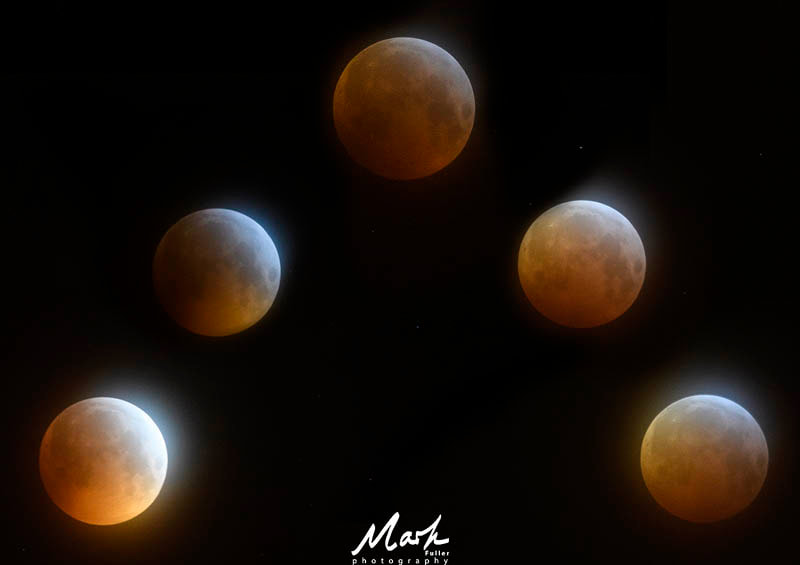
Lunar eclipse

Picture
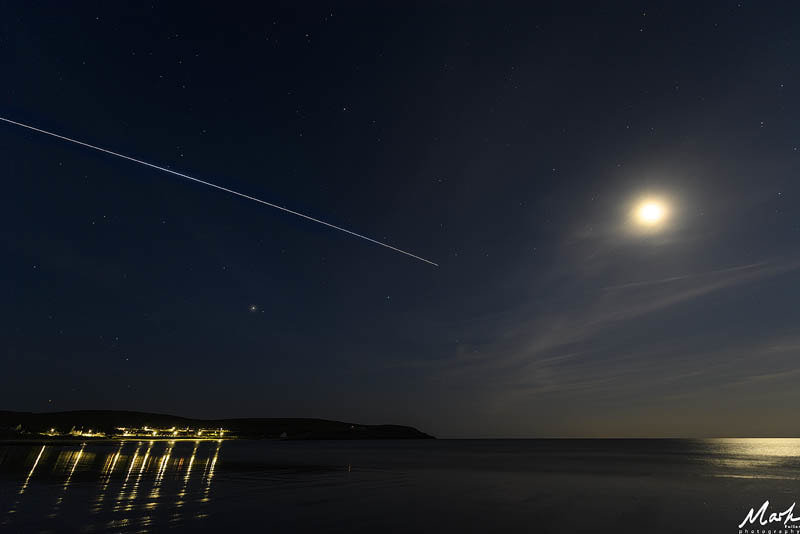
International Space Station passes over the Irish Sea
Picture
Picture
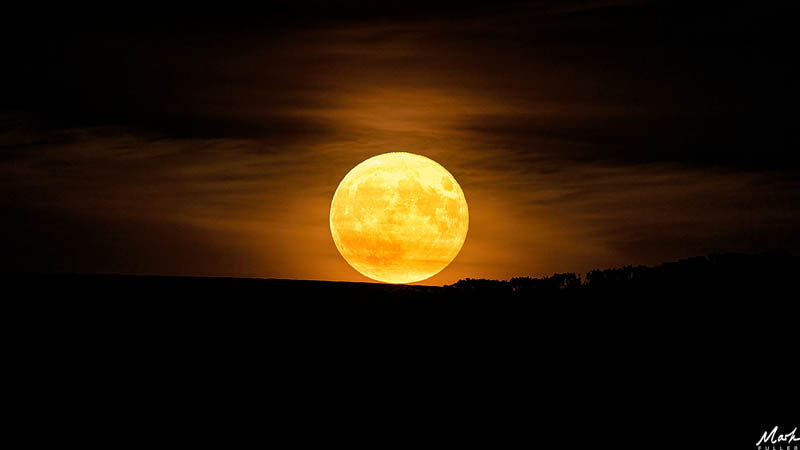
The above photo was shortlisted in the 2019-20 Scottish  Landscape Sea and Coast Photography Awards
Picture
Picture
Picture
Picture
Picture
Picture
Picture
Picture
Picture
Picture
Picture

ISS passes over the village
Picture
Picture

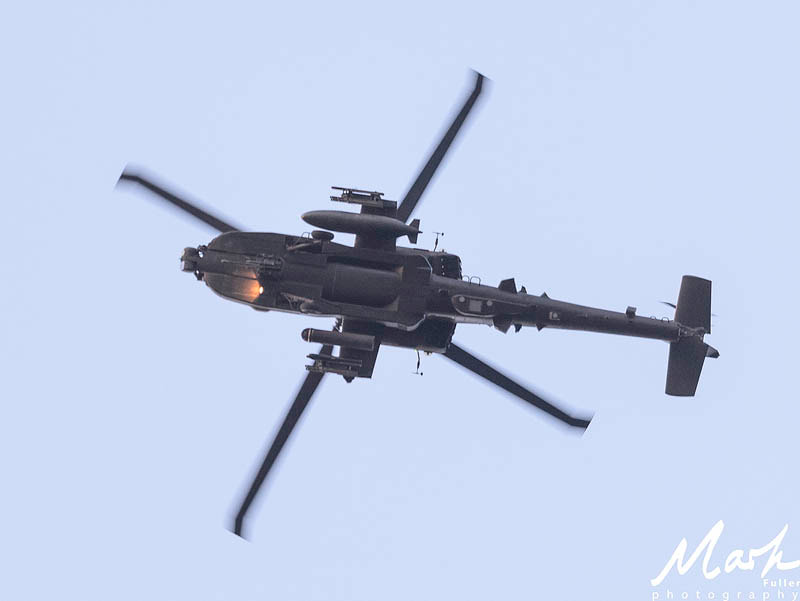
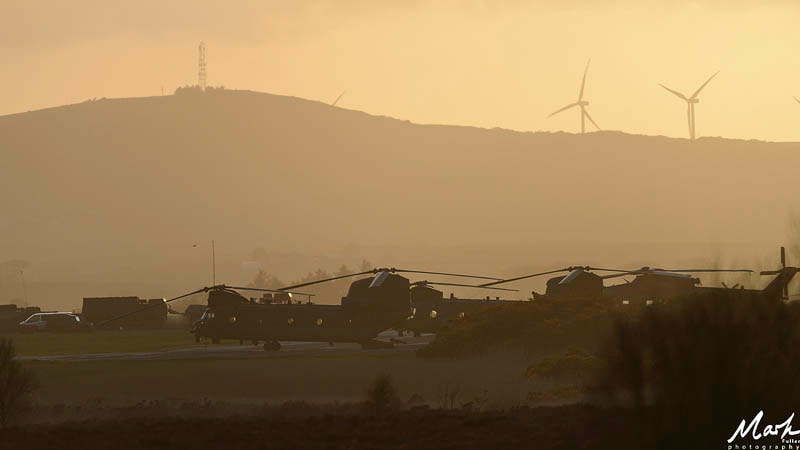
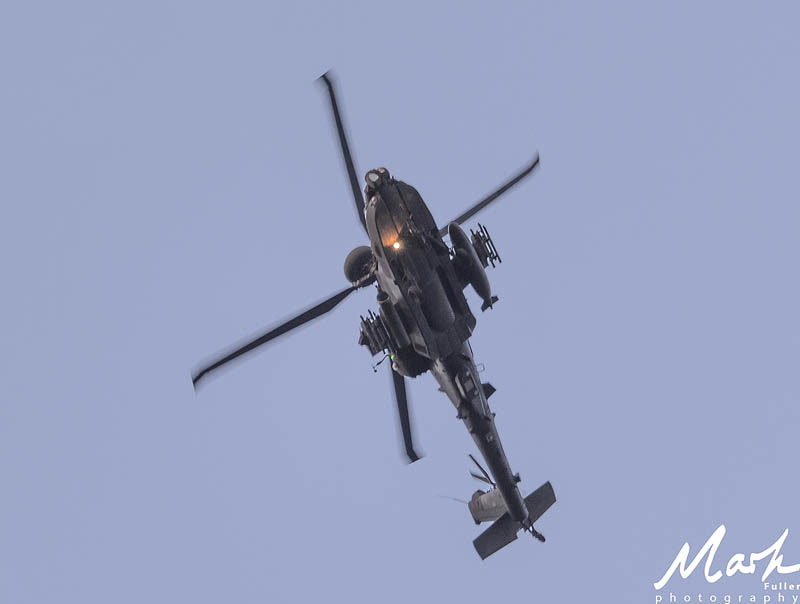
Apache gunships over the back garden
Picture
Picture
Picture
Picture
Picture
Picture

New Years Eve aurora 2016

Picture
Picture
Picture
Picture
Picture
Picture

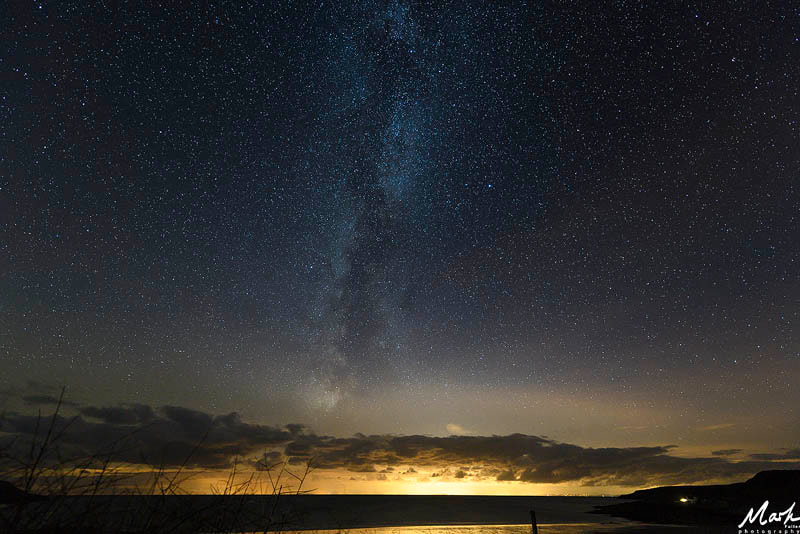
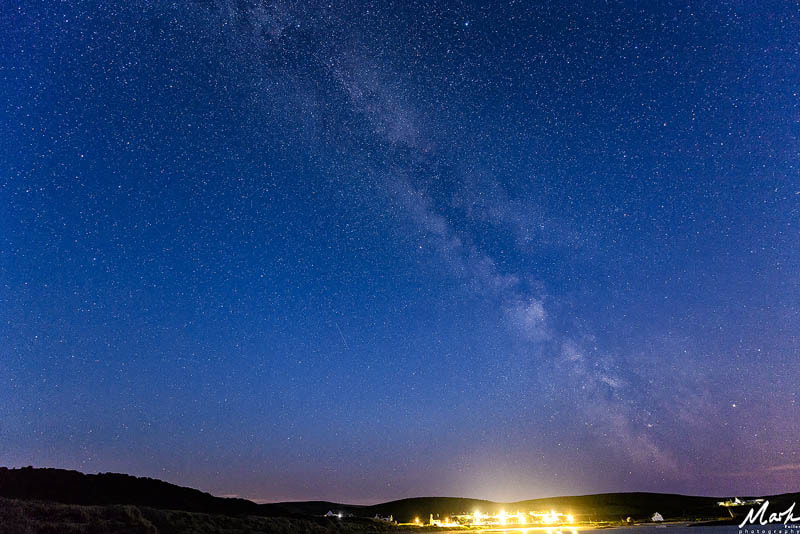
Milky Way over the village
Picture
Picture
Picture
Picture
Picture
Picture
Picture
Picture
Picture
Picture
Picture
Picture
Picture
Picture
Land Sea & Air
Sport
Life
May 8th 1999
Weddings
Gallery prints
  • Home
  • Land, Sea & Air
  • Life
  • Landscapes
  • Sport
    • May 8th 1999
  • Faces
  • Weddings